Start with the actual departure
“Early breakfast available” can mean several different things. It might be a packed meal collected the previous evening, a self-service kitchen or a staffed dining room opened by arrangement. Ask what is possible during your specific dates, how much notice is needed and whether there is an additional charge. Check dietary requirements at the same time rather than leaving them for the first morning.
Quiet movement matters in small properties. Find out whether an early departure requires a key, a gate code or help from a host. Ask where your group will meet and whether vehicles can load without disturbing other guests. A place that understands these ordinary details may support a birdwatching stay better than one that simply advertises nearby wildlife.
Measure the journey to useful habitat
A remote address is not an advantage if each watch begins with a long, awkward transfer. Ask for the expected route to a named reserve entrance or public viewpoint. Distinguish normal driving time from a cautious journey on unfamiliar roads. Confirm parking arrangements, walking distance from the vehicle and any gates that limit arrival or departure.
Where a transfer is offered, establish who operates it, what vehicle is used and whether it is shared. Accommodation, guiding and transport may be sold by different businesses even when they appear together on a website. If an arrival connection is delayed, know whom to contact and what happens to the transfer. Keep essential directions available offline instead of depending on a signal at the final junction.
Ask specific questions about accessibility
The word “accessible” is too broad to answer an individual traveller’s needs. Describe the features that matter to you: step-free entry, doorway width, bathroom layout, walking surfaces, distances between buildings or a place to sit while waiting. Ask for measurements or photographs where these would resolve uncertainty. A level bedroom does not establish that the hide, boat or transfer vehicle is suitable.
Discuss pace and stamina without assuming that every birding day must start before dawn or cover difficult ground. Some habitats support rewarding watching from fixed viewpoints. Ask the property and guide to describe an ordinary outing in practical terms, including toilets, rest stops and shelter. Make sure any agreed adaptations are confirmed before the booking becomes difficult to change.
Look after equipment without overpacking
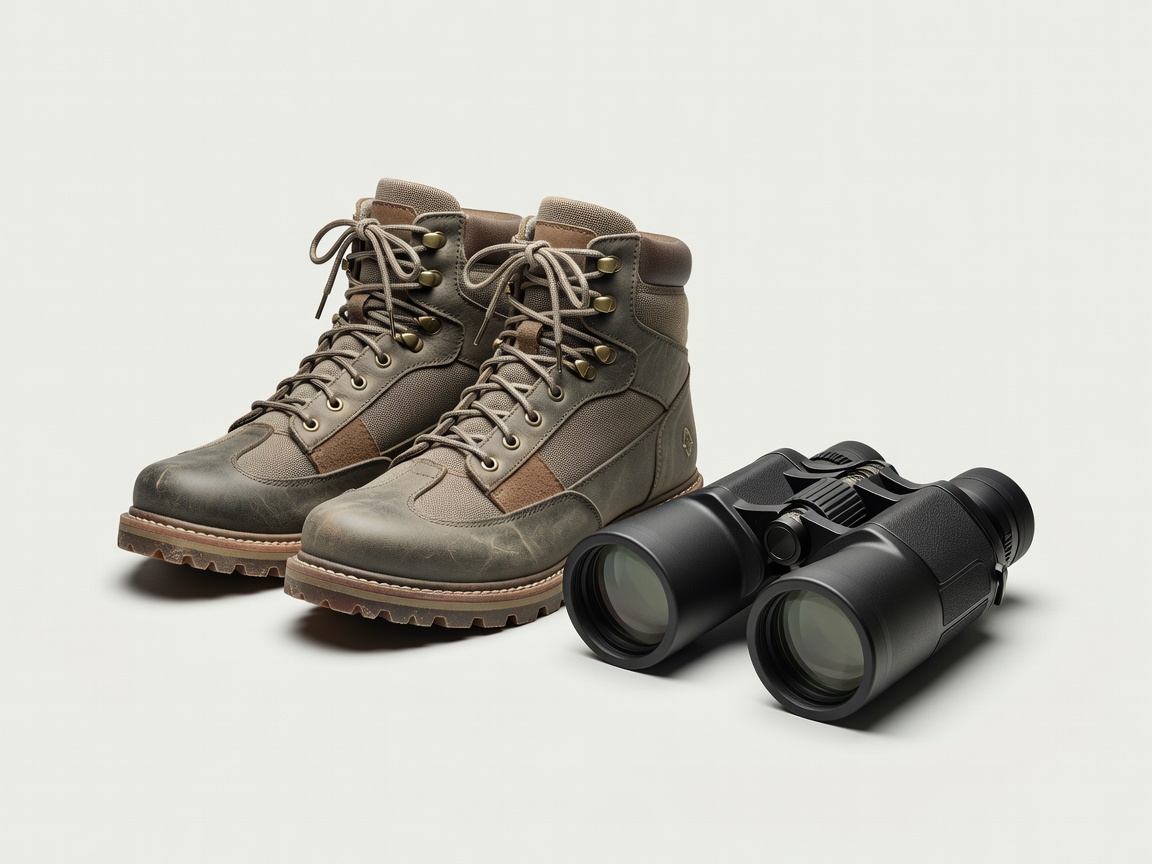
Binoculars, a field notebook, weather protection and suitable footwear form a useful core. A scope may help at distant coastal or wetland viewpoints, but ask whether the guide supplies one and how the group shares it. Carrying extra equipment is not automatically helpful on a boat, a rough path or a long transfer with limited luggage space.
Check whether there is a safe place for wet clothing and boots that does not involve drying them on unsuitable heaters. Ask about charging sockets and power reliability if you depend on a device. Treat claims of connectivity realistically: weak reception may affect maps and messages, while guest Wi-Fi may not reach a detached room. Keep copies of essential information available without a connection.
Accommodation checklist
- Meal arrangements fit the planned departure
- Entry, keys and meeting points are understood
- Transfers and permitted habitat access are realistic
- Mobility and dietary requirements are confirmed
- Wet kit, charging and offline information are covered
- Cancellation and weather disruption terms are readable
Read the total booking, not the headline room rate
List the room, meals, transfers, guiding, entry charges and any boat costs separately. Ask which items are included, which are optional and which depend on a minimum group. Clarify local taxes, single occupancy arrangements and payment timing directly with the provider. This guide does not publish live prices, because an apparently precise figure can become misleading when inclusions or operating conditions change.
Read cancellation conditions for each supplier involved. A cancelled boat trip does not necessarily cancel the room, and a delayed flight may not create an entitlement to a refund. Ask about alternatives before you need them, including what happens if a guide is unavailable. Consider appropriate travel insurance and check the policy’s actual cover rather than assuming that remoteness or wildlife activities are included.
Choose a sustainable daily pace
A longer stay at one workable base can reduce repeated packing and unnecessary driving. It also gives you time to learn a local patch and accept a poor-weather day without turning the whole visit into a recovery exercise. Ask hosts about locally appropriate transport and waste arrangements, and use water and energy with the same care you would bring to the habitat outside.
Good accommodation removes avoidable friction. It does not need to turn a wildlife trip into a luxury product—or promise what the landscape cannot guarantee.